![]() |
|
Gethsemane A one man dramatic reading from a biography on the life of Christ entitled "The Desire of Ages." A great resource book.
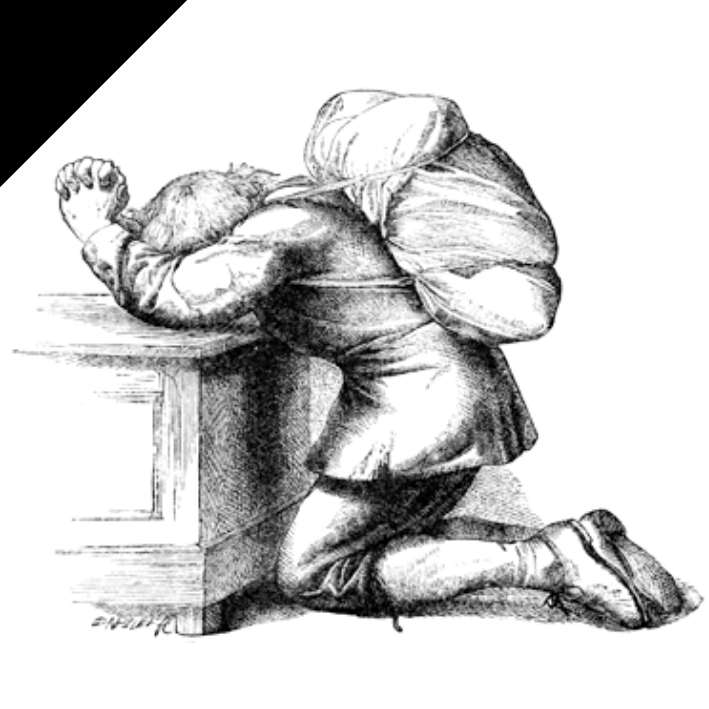
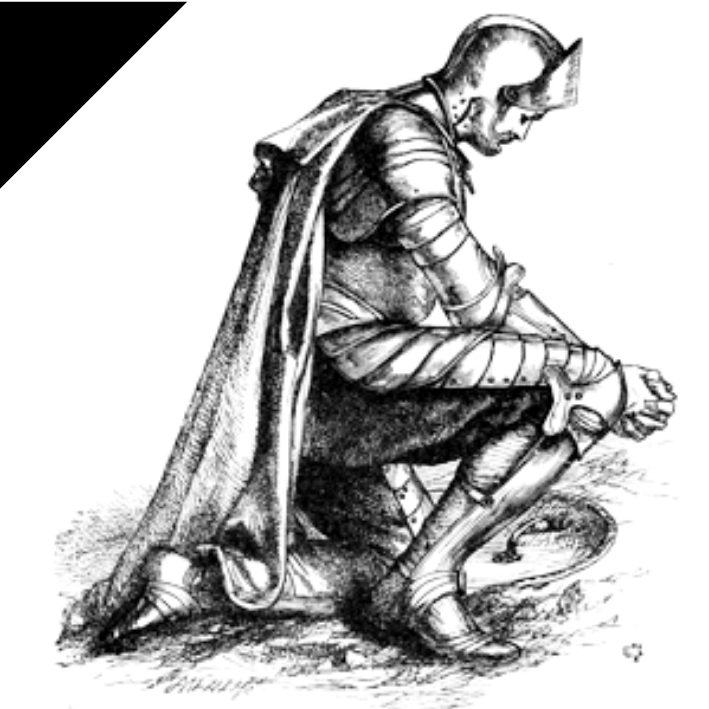
In company with His disciples, the Savior slowly made His way to the Garden of Gethsemane. The Passover moon, broad and full, shone from a cloudless sky. The city of pilgrim's tents was hushed into silence. Jesus had been earnestly conversing with His disciples and instructing them; but as He neared Gethsemane, He became strangely silent. He had often visited this spot for meditation and prayer; but never with a heart so full of sorrow as upon this night of His last agony. Throughout His life on earth He had walked in the light of God's presence. When in conflict with men who were inspired by the very spirit of Satan, He could say, "He that sent Me is with Me: the Father hath not left Me alone; for I do always those things that please Him." John 3:29. But now He seemed to be shut out from the light of God's sustaining presence. Now He was numbered with the transgressors. The guilt of fallen humanity He must bear. Upon Him who know no sin must be laid the iniquity of us all. So dreadful does sin appear to Him, so great is the weight of guilt which He must bear, that He is tempted to fear it will shut Him out forever from His Father's love. Feeling how terrible is the wrath of God against transgression, He exclaims, "My soul is exceeding sorrowful, even unto death." As they approached the garden, the disciples had marked the change that came over their Master. Never before had they seen Him so utterly sad and silent. As He proceeded, this strange sadness deepened; yet they dared not question Him as to the cause. His form swayed as if He were about to fall. Upon reaching the garden, the disciples looked anxiously for His usual place of retirement, that their Master might rest. Every step that He now took was with labored effort. He groaned aloud, as if suffering under the pressure of a terrible burden. Twice His companions supported Him, or He would have fallen to the earth. Near the entrance to the garden, Jesus left all but three of the disciples, bidding them pray for themselves and for Him. With Peter, James, and John, He entered its secluded recesses. These three disciples were Christ's closest companions. They had beheld His glory on the mount of transfiguration; they had seen Moses and Elijah talking with Him; they had heard the voice from heaven; now in His great struggle, Christ desired their presence near Him. Often they had passed the night with Him in this retreat. On these occasions, after a season of watching and prayer, they would sleep undisturbed at a little distance from their Master, until He awoke them in the morning to go forth anew to labor. But now He desired them to spend the night with Him in prayer. Yet He could not bear that even they should witness the agony He was to endure. "Tarry ye here," He said, "and watch with me." He went a little distance from them - not so far but that they could both see and hear Him - and fell prostrate upon the ground. He felt that by sin He was being separated from His Father. The gulf was so broad, so black, so deep, that His spirit shuddered before it. This agony He must not exert His divine power to escape. As man He must suffer the consequences of man's sin. As man He must endure the wrath of God against transgression. Christ was now standing in a different attitude from that in which He had ever stood before. His suffering can best be described in the words of the prophet, "Awake, O sword, against My shepherd, and against the Man that is My fellow, saith the Lord of hosts." Zechariah 13:7. As the substitute and surety for sinful man, Christ was suffering under divine justice. He saw what justice meant. Hitherto He had been as an intercessor for others; now He longed to have an intercessor for Himself. As Christ felt His unity with the Father broken up, He feared that in His human nature He would be unable to endure the coming conflict with the powers of darkness. In the wilderness of temptation the destiny of the human race had been at stake. Christ was then conqueror. Now the tempter had come for the last fearful struggle. For this he had been preparing during the three years of Christ's ministry. Everything was at stake with him. If he failed here, his hope of mastery was lost; the kingdoms of the world would finally become Christ's; he himself would be overthrown and cast out. But if Christ could be overcome, the earth would become Satan's kingdom, and the human race would be forever in his power. With the issues of the conflict before Him, Christ's soul was filled with dread of separation from God. Satan told Him that if He became the surety for a sinful world, the separation would be eternal. He would be identified with Satan' kingdom, and would nevermore be one with God. An what was to be gained by this sacrifice? How hopeless appeared the guilt and ingratitude of men! In its hardest features Satan pressed the situation upon the Redeemer: The people who claim to be above all others in temporal and spiritual advantages have rejected You. They are seeking to destroy You, the foundation, the center and seal of the promises made to them as a peculiar people. One of Your own disciples, who has listened to your instruction, and has been among the foremost in church activities, will betray You. One of Your most zealous followers will deny you. All will forsake You. Christ's whole being abhorred the thought. That those whom He loved so much, should unite in the plots of Satan, this pierced His soul. The conflict was terrible. Its measure was the guilt of His nation, of His accusers and betrayer, the guilt of a world lying in wickedness. The sins of men weighed heavily upon Christ, and the sense of God's wrath against sin was crushing out His life. Behold Him contemplating the price to be paid for the human soul. In His agony He clings to the cold ground, as if to prevent Himself from being drawn farther from God. The chilling dew of night falls upon His prostrate form, but He heeds it not. From His pale lips comes the bitter cry, "O My Father, if it be possible, let this cup pass from me!" Yet even now He adds, "Nevertheless not as ^will, but as Thou wilt!" The human heart longs for sympathy in suffering.
This longing Christ felt to the very depths of His being. In
the supreme agony of His soul He came to His disciples with a
yearning desire to hear some words of comfort from those whom
He had so often blessed and comforted, and shielded in sorrow
and distress. The One who had always had words of sympathy for
them was now suffering superhuman agony, and He longed to know
that they were praying for Him and for themselves. How dark seemed
the malignity of sin! Terrible was the temptation to let the
human race bear the consequences of its own guilt, while He stood
innocent before God. If He could only know that His disciples
understood and appreciated this, He would be strengthened. Just before He bent His footsteps to the garden, Jesus had said to the disciples, "All ye shall be offended because of Me this night." They had given Him the strongest assurance that they would go with Him to prison and to death. And poor, self-sufficient Peter had added, "Although all shall be offended, yet will not I! Mark 14:27, 29. But the disciples trusted to themselves. They did not look to the mighty Helper as Christ had counseled them to do. Thus when the Savior was most in need of their sympathy and prayers, they were found asleep. Even Peter was sleeping. And John, the loving disciple who had leaned upon the breast of Jesus, was asleep. Surely, the love of John for his Master should have kept him awake. His earnest prayers should have mingled with those of his loved Savior in the time of His supreme sorrow. The Redeemer had spend entire nights praying for His disciples, that their faith might not fail. Should Jesus now put to James and John the question He had once asked them, "Are ye able to drink of the cup that I shall drink of, and to be baptized with the baptism that I am baptized with?" they would not have ventured to answer, "We are able." Matthew 20:22 The disciples awakened at voice of Jesus, but they hardly knew Him, His face was so changed by anguish. Addressing Peter, Jesus said, "Simon, sleepest thou? couldest not thou watch one hour? Watch ye and pray, lest ye enter into temptation. The spirit truly is ready, but the flesh is weak.! The weakness of His disciples awakened the sympathy of Jesus. He feared that they would not be able to endure the test which would come upon them in His betrayal and death. He did not reprove them, but said, "Watch ye and pray, lest ye enter into temptation." Even in His great agony, He was seeking to excuse their weakness. "The spirit truly is ready," He said, "but the flesh is weak.! Again the Son of God was seized with superhuman agony, and fainting and exhausted, He staggered back to the place of His former struggle. His suffering was even greater than before. As the agony of soul came upon him, "His sweat was as it were great drops of blood falling down to the ground." The cypress and palm trees were the silent witnesses of His anguish. From their leafy branches dropped heavy dew upon his stricken form, as if nature wept over its Author wrestling alone with the powers of darkness. A short time before, Jesus had stood like a mighty cedar, withstanding the storm of opposition that spent its fury upon Him. Stubborn wills, and hearts filled with malice and subtlety, had striven in vain to confuse and overpower Him. He stood forth in divine majesty as the Son of God. Now He was like a reed beaten and bent by the angry storm. He had approached the consummation of His work a conqueror, having at each step gained the victory over the powers of darkness. As one already glorified, He had claimed oneness with God. In unfaltering accents He had poured out His songs of Praise. He had spoken to His disciples is words of courage and tenderness. Now had come the hour of the power of darkness. Now His voice was heard on the still evening air, not in tones of triumph, but full of human anguish. The words of the Savior were borne to the ears of the drowsy disciples, "O My Father, if this cup may not pass away from Me, except I drink it, Thy will be done." The first impulse of the disciples was to go to Him; but He had bidden them tarry there, watching unto prayer. When Jesus came to them, He found them still sleeping. Again He had felt a longing for companionship, for some words from His disciples which would bring relief, and break the spell of darkness that well nigh overpowered Him. But their eyes were heavy; "neither wist they what to answer Him." His presence aroused them. They saw His face marked with the bloody sweat of agony, and they were filled with fear. His anguish of mind they could not understand. "His visage was so marred more than any man, and His form more than the sons of men!" Isaiah 52:14 Turning away, Jesus sought again His retreat, and fell prostrate, overcome by the horror of a great darkness. The humanity of the Son of God trembled in that trying hour. End of sample. There is much more inspiring content in the remainder. |
BOOKS || AUDIO || VIDEO || FAQ || FREE || DRAMA|| ORDER || JIM'S FLUTES |